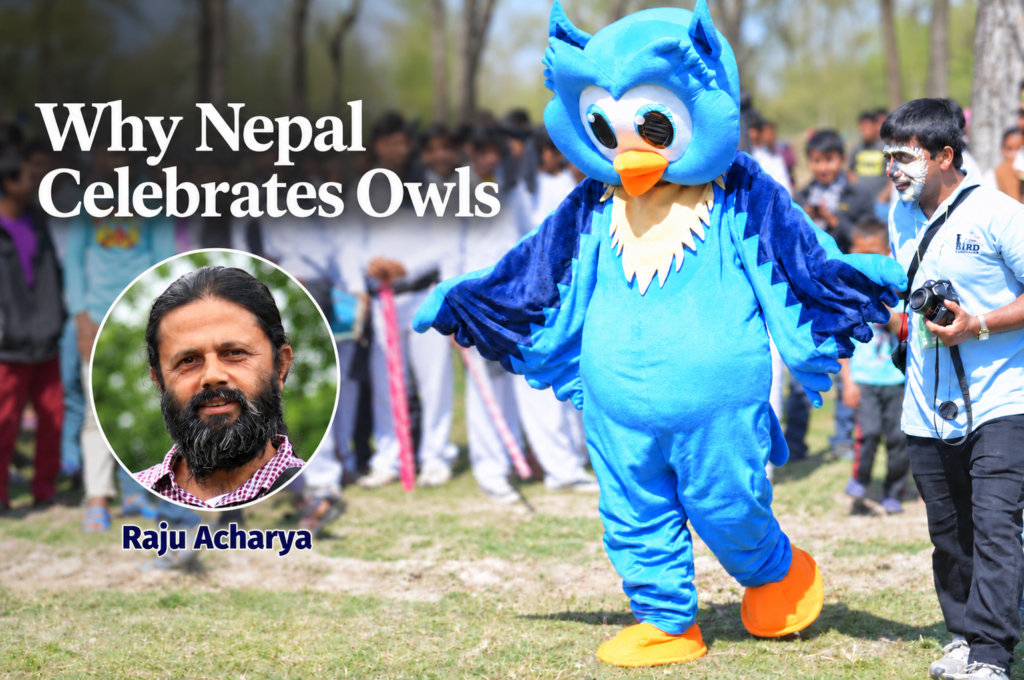
Raju Acharya
During a group conversation about the Nepal Owl Festival in 2015, someone joked that they wouldn’t be surprised if a festival for ants came to their area one day. I still remember that remark because it raised a question worth asking. In a country where tigers and rhinos draw much of the attention, how do we get people to care about the wildlife they live alongside?
In Nepal, some people see owls as dull birds, and some associate their calls with bad luck. Owls help farmers by hunting rats and mice, yet they face serious threats from hunting, illegal trade and the loss of nesting trees. Through the festival, we give people a chance to hear owl calls, ask questions and learn what these magnificent birds do.
When people start talking about owls, they may be more willing to speak up when someone harms one or to protect a tree where owls nest. Over time, those everyday choices can help protect owls in our villages and forests.
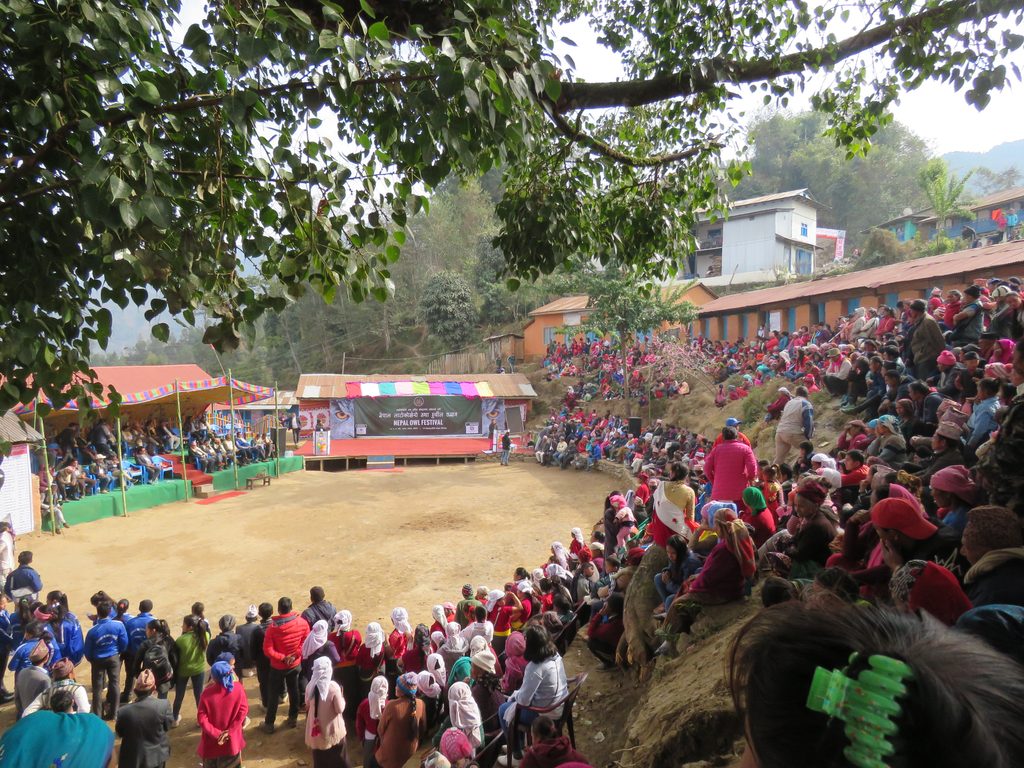
The idea began with a birthday party for an owl. In 2003, Houston, Minnesota, held a celebration for Alice, a Great Horned Owl. It grew into the International Festival of Owls. When I visited in 2011, I met Karla Bloem and others who had made owl conservation something the whole town could take part in. I was amazed to see how many people gave their time to the festival. I was inspired.
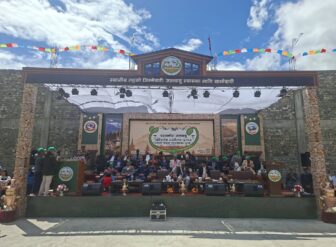
Back in Nepal, Yadav Ghimirey and I adapted the idea and started the Nepal Owl Festival, which now brings together culture, conservation and entertainment. About 180 people came to the first festival in Syaulibazaar, Dhading, in March 2012. Our experience helped inspire a similar effort in India, where the Ela Foundation held its first Indian Owl Festival in 2018. Italy has its own owl festival, the Festival dei Gufi.
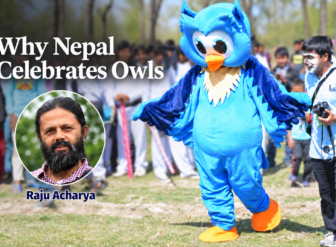
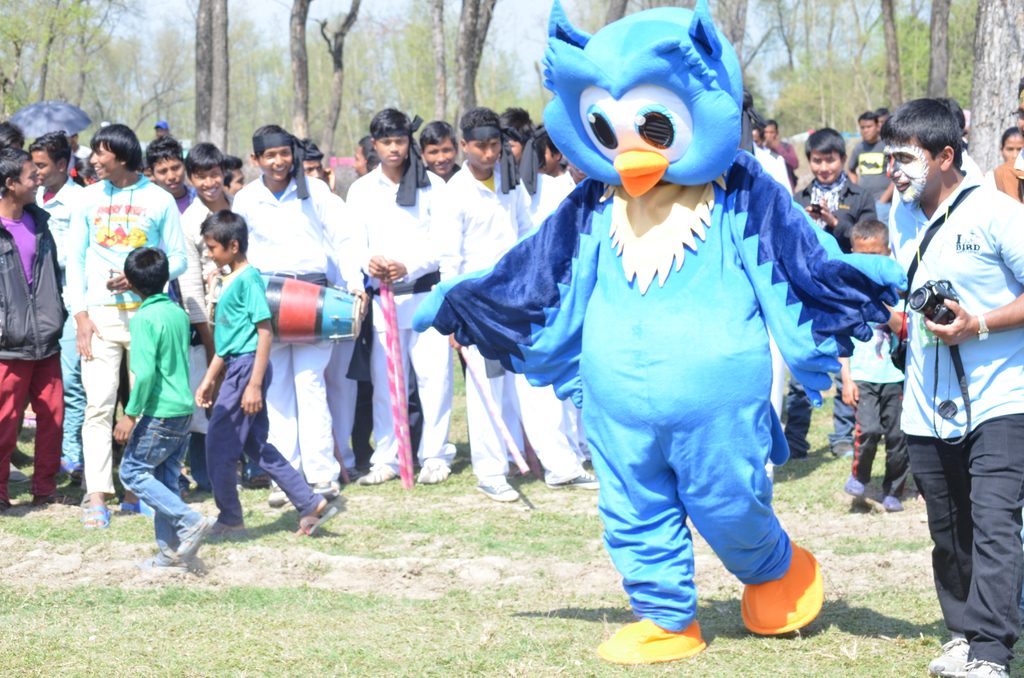
For many children, the first thing they spot is the giant owl mascot. The nail art stall is especially popular with girls. Visitors can explore the temporary owl museum, join a birdwatching walk, get their faces painted or see the artwork and poems from school competitions.
Students from the Institute of Forestry in Pokhara are regulars at the festival. They perform dances and street plays about conservation.
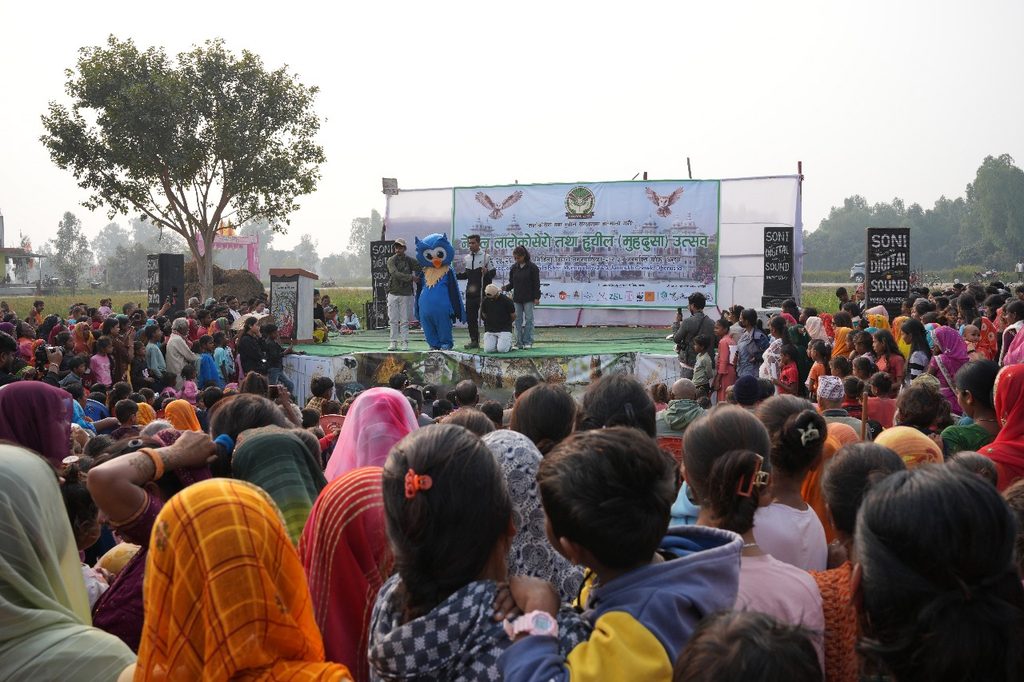
At the conservation stalls, the conversation goes well beyond owls. Environmental organisations can share their work on wildlife and nature conservation, and researchers can present posters and discuss their findings with one another and with local residents.
We recognize conservation champions from host communities, from other parts of Nepal and from abroad. Before the event, we visit schools to talk about what students can do to protect owls and invite them to one of the largest conservation events in the country. The festival also gives local guides, homestay operators and food vendors a chance to introduce visitors to their area.
Some of my favourite stories begin after the festival ends. In Amaltari, farmers put up six bamboo poles in their fields after the 2014 festival. They later told us they had seen owls using them as perches.
After the 2019 festival in Jalapa, Khotang, students helped rescue an owl. Jalapa declared the Rock Eagle-Owl its ward bird, and local people continue to hold smaller owl festivals of their own. The story of the students who took up owl conservation was featured in The Kathmandu Post.
In Barpak, Gorkha, local people banned the use of catapults after the 2015 festival. People in villages that have hosted the festival often ask us to bring it back.
According to Friends of Nature (FON) Nepal, more than 60,000 people have attended the festival or taken part in its school and community sessions. Around 100 volunteers help bring each edition together. Each year, around 5,000 local residents and visitors take part in the festival.
Professor Karan Bahadur Shah, a long-serving volunteer who gives at least a week of his time, sees those volunteers as the festival’s greatest strength. He says he has never seen another event quite like it.
People sometimes assume that one of Nepal’s largest conservation events must run on millions of dollars. That can be frustrating when we are still asking for donations of even US$10 in our annual online fundraiser. Local organising committees now cover roughly half the budget, and funding remains our biggest constraint.
Each edition has taken us to a different district. We value what each community brings, but finding a venue and moving an entire museum every year take time and money. We are now looking for a permanent home for the festival as part of a wider owl conservation centre in Nepal.
Our next stop is Limsa, in Barekot Rural Municipality, Jajarkot, where the 14th Nepal Owl Festival will take place on 5–6 February 2027 (Magh 22–23, 2083). Nepal’s Owl Conservation Action Plan (2020–2029) recognises the festival’s role in owl conservation and calls for it to continue.
When we pack up in Limsa, I’ll be looking forward to hearing what people do next, just as local people did in Amaltari and Jalapa.