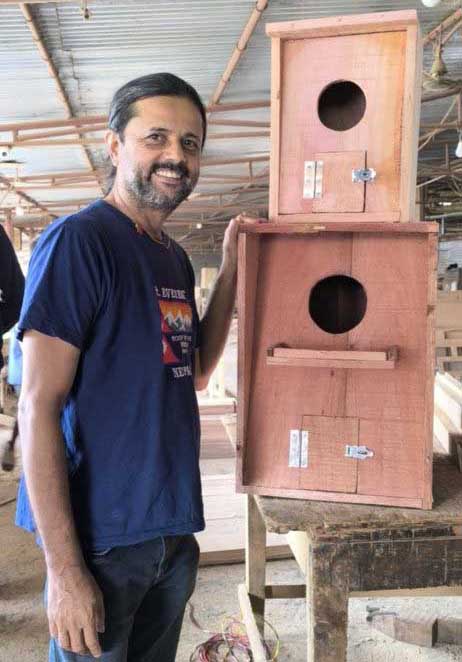
As modern housing developments expand, many owls have been displaced due to the lack of suitable nesting sites. Older houses once provided nesting spaces for owls and other birds, but as these structures have been replaced, the owls have migrated elsewhere. To address this issue, Friends of Nature (FON) is constructing 100 artificial wooden nests, designed to last up to 10 years, to support owl conservation in Kaski and Syangja districts.
This initiative marks the first of its kind in Nepal and follows recommendations from the Owl Conservation Action Plan for Nepal. According to FON Director Raju Acharya, 90 nests will be placed in Kaski and 10 in Syangja. “We have identified suitable locations for these artificial nests and will conduct regular monitoring to ensure their effectiveness,” Acharya stated.
In Gandaki Province, six owl conservation envoys have been selected to lead this initiative. These envoys will focus on conserving old trees, preventing bird hunting, organizing conservation camps for local communities, distributing artificial nests, controlling poaching, and facilitating capacity-building efforts. Project Officer Anu Paudel confirmed that the nests will be installed within the next three weeks.
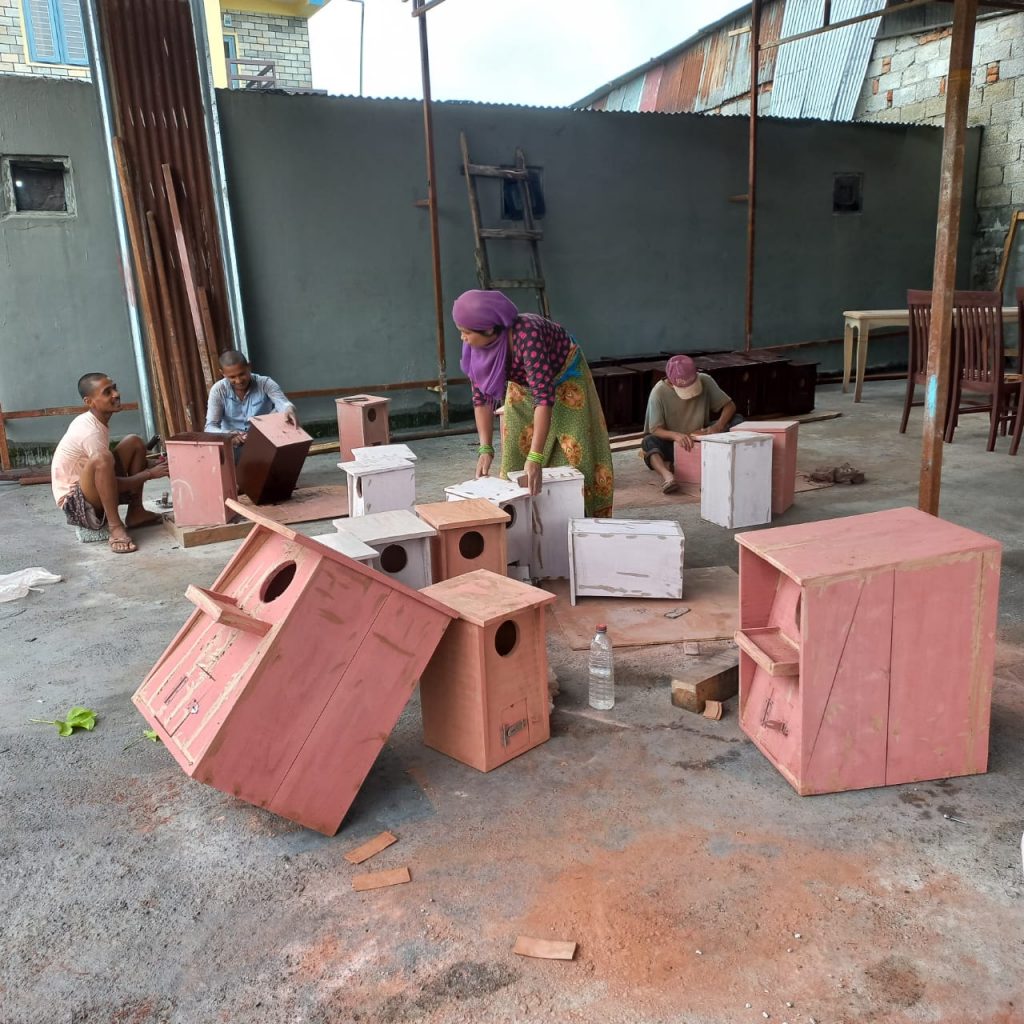
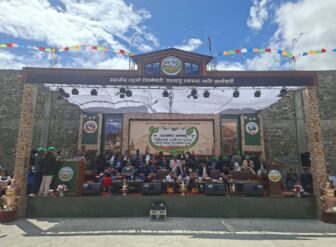
The conservation envoys Mr.Keshav Sapkota, Mr.Bal Kumar Gurung, Mr. Sudarshan Parajuli, Mr. Ayush Dhungana, Ms. Jyoti Sharma, and Mr. Deepa Gurung will volunteer for one year to contribute to owl research and conservation. They have already completed training to enhance their skills. Owl conservation envoy Bal Kumar Gurung noted that the project is funded by the Whitley Award, also known as the ‘Green Oscar,’ recently awarded to Raju Acharya.
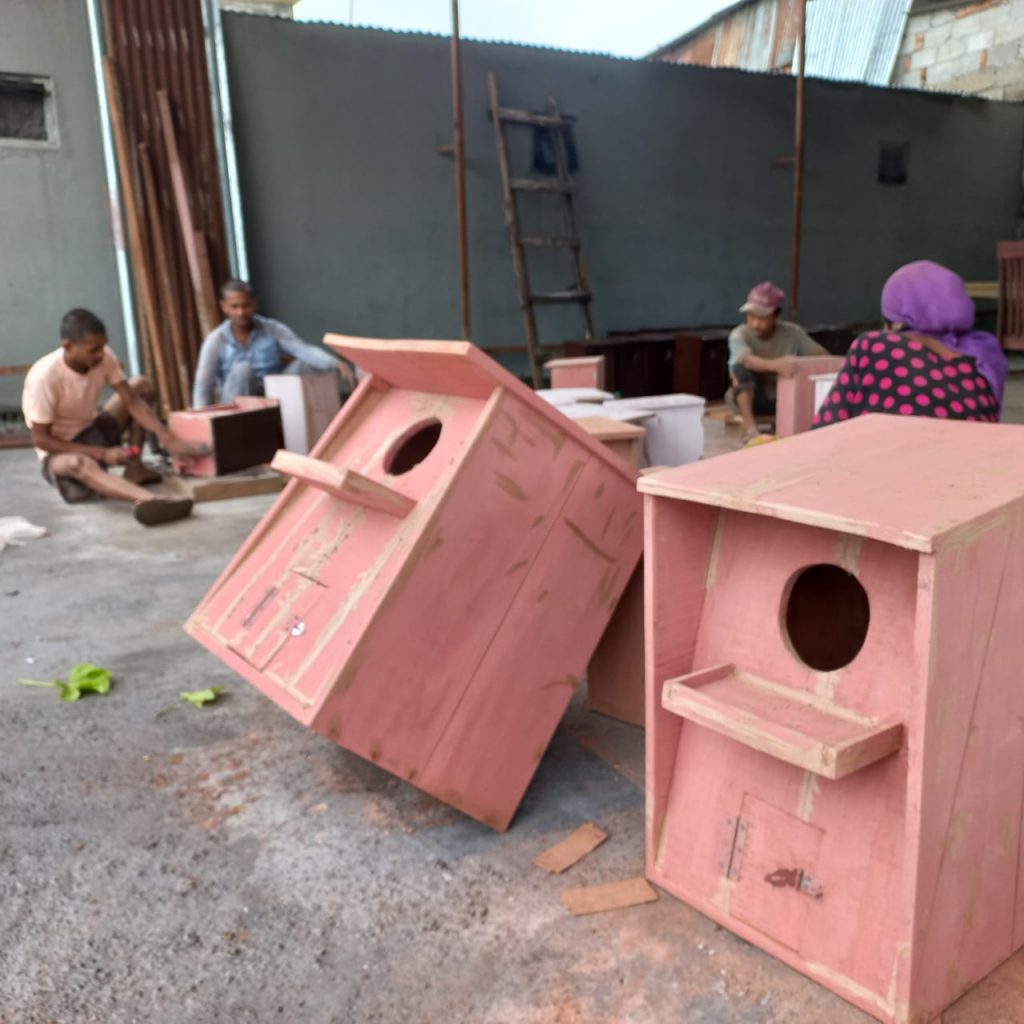
The prize money is being used for the owl conservation campaign and nest construction, with suitable locations for the nests already being identified. Director Acharya emphasized that within the next year, various owl conservation programs will be implemented across Gandaki Province. He highlighted that protecting owls, which help control the rodent population without harming humans, will significantly benefit agriculture, tourism, and environmental conservation in the region.