Pokhara: The practice of purchasing antibiotics from pharmacies without a doctor’s prescription and taking medicines without proper medical advice remains widespread in Nepal. The unnecessary use of antibiotics for common ailments such as colds and fever, as well as stopping medication before completing the prescribed course once symptoms improve, is increasing the risk of antimicrobial resistance (AMR). Health experts have warned that this could make even common infections increasingly difficult to treat in the future.
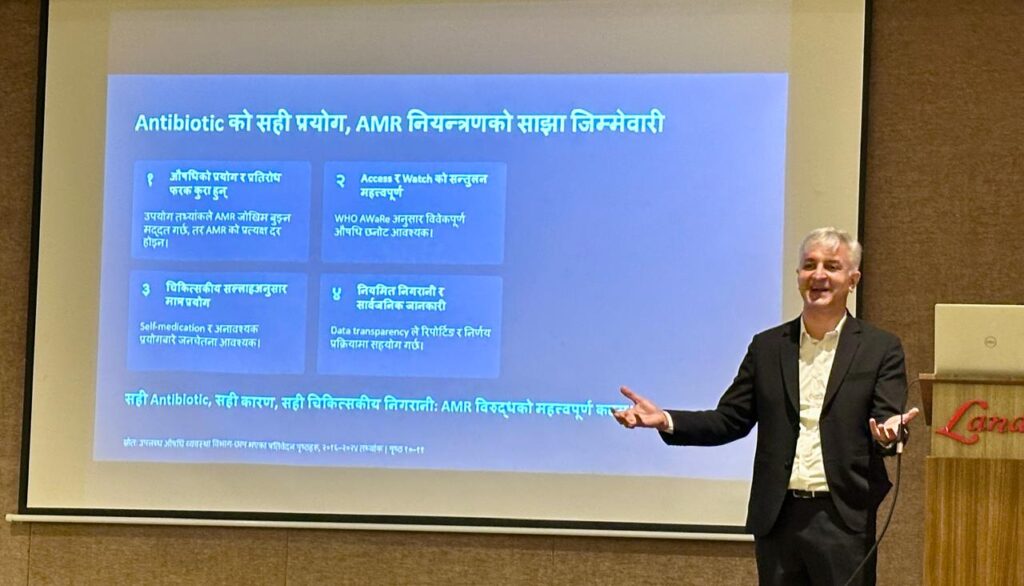
Concerns over the growing risk of medicines becoming ineffective due to the indiscriminate use of antibiotics were raised at a programme held in Pokhara to discuss antimicrobial resistance, an emerging global health challenge.During an interaction programme organised by the Ministry of Health of Gandaki Province on Tuesday with journalists and other stakeholders, participants discussed how the misuse and overuse of medicines are reducing the effectiveness of drugs used to treat infections.
According to the World Health Organization (WHO), bacterial antimicrobial resistance was associated with an estimated 4.71 million deaths worldwide in 2021. Of these, approximately 1.14 million deaths were directly attributable to bacterial antimicrobial-resistant infections. Dr. Sharad Chandra Baral, AMR focal person, said the growing inability of medicines to treat infections has become a serious challenge for health systems worldwide.
According to him, antimicrobial resistance occurs when microorganisms such as bacteria, viruses, fungi and parasites become less responsive to medicines or develop the ability to withstand their effects. As a result, antibiotics, antivirals, antifungals and antiparasitic medicines gradually lose their effectiveness.
This makes infections more difficult, time-consuming and expensive to treat. In some cases, it can even put patients’ lives at risk, he said.Dr. Baral described AMR as a growing silent pandemic. He said the problem is becoming more serious due to practices such as purchasing antibiotics without consulting doctors, using them when they are not medically necessary, and failing to complete the prescribed dosage and duration of treatment.
Antibiotics are not effective against all types of infections. In particular, they do not work against viral infections such as the common cold. However, doctors have expressed concern over the growing tendency among people to take antibiotics as soon as they experience even minor health problems.Dr. Baral said that unnecessary or improper use of medicines allows bacteria to develop resistance against them. Consequently, the same medicines may no longer be effective in treating infections when they are needed in the future.
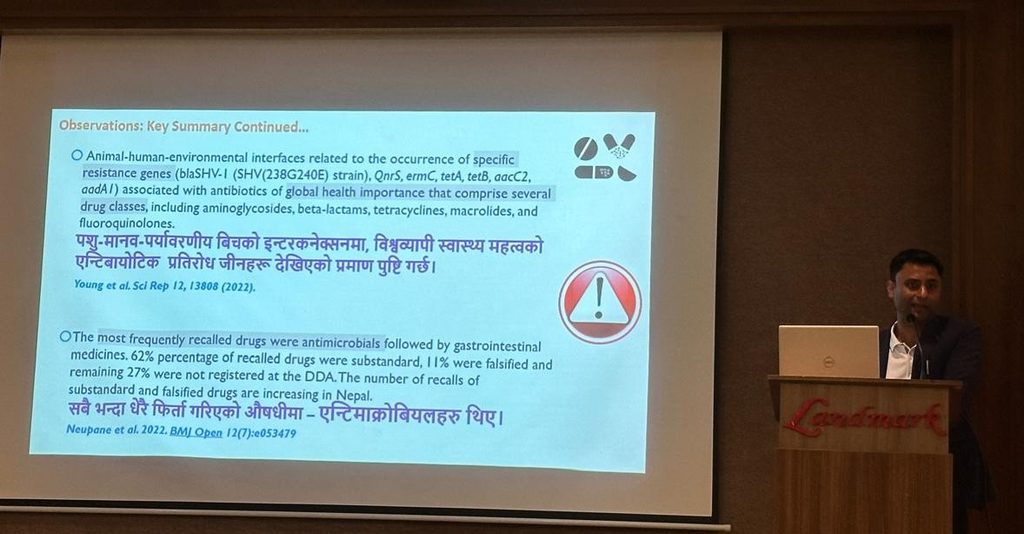
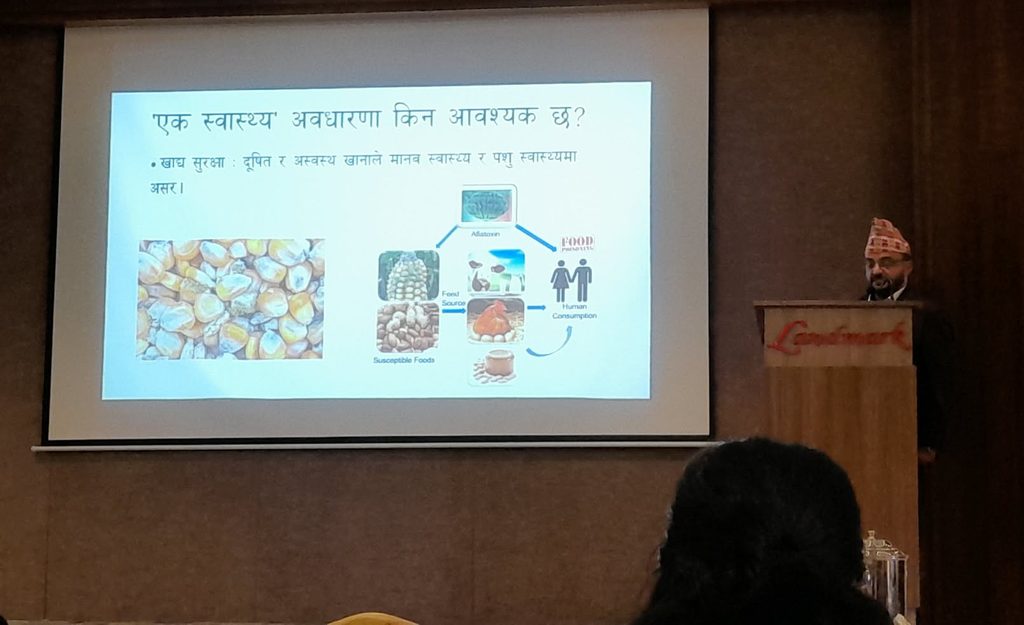
At the programme, Manmohan Mishra, Director General of the Provincial Centre for Disease Control, Kaski; Dr. Kiran Pandey, Chief of the Animal Disease Investigation Laboratory, Pokhara; and Sajan Baral, Pharmacy Officer at the Provincial Health Supply Management Centre, Pokhara, made presentations on issues related to their respective fields.The programme was followed by discussions on the risks of antimicrobial resistance, measures to control it and ways to raise public awareness.