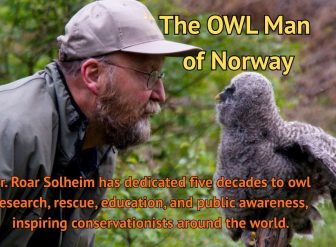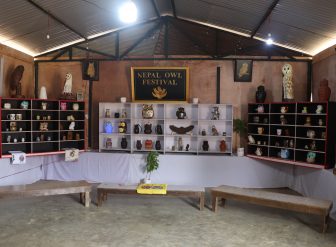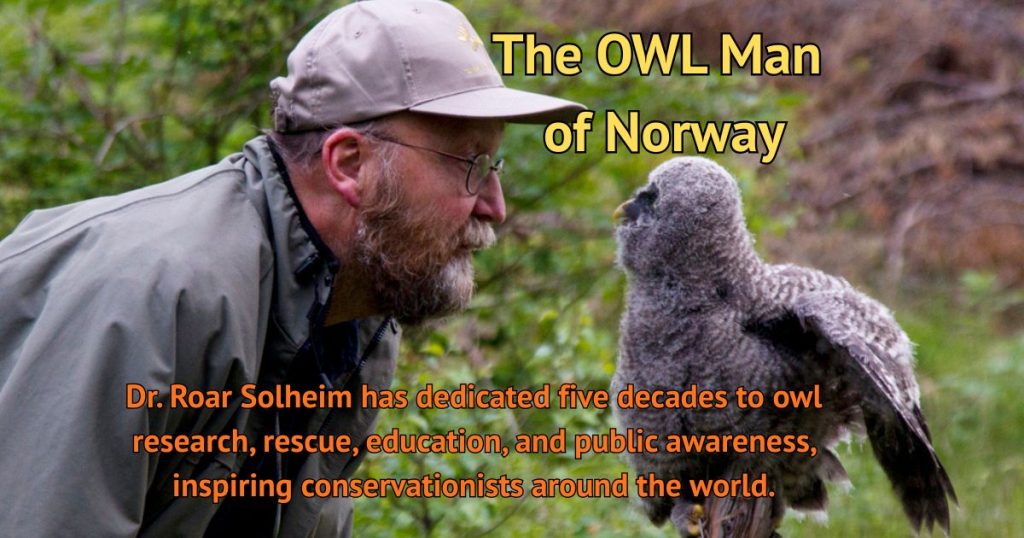
When Dr Roar Solheim arrived in Lamahi, Dang, for the ‘Nepal Owl Festival’, he came not only as an invited guest, but as a scientist deeply trusted by the conservation community. For five decades, he has worked in the field, in museums, in publishing, on radio, in classrooms, and with the public to help people understand owls with knowledge, care, and less fear.
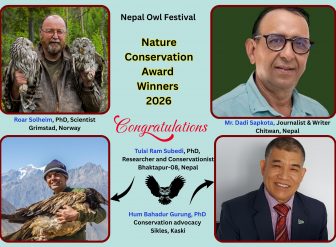
The Nepal Owl Festival honored him with the Nature Conservation Award, and the moment felt very fitting. The Nepal Owl Festival celebrates awareness, local culture, biodiversity, and respect for owls, birds that are still often misunderstood. These same values have guided Solheim’s life and work for many years.
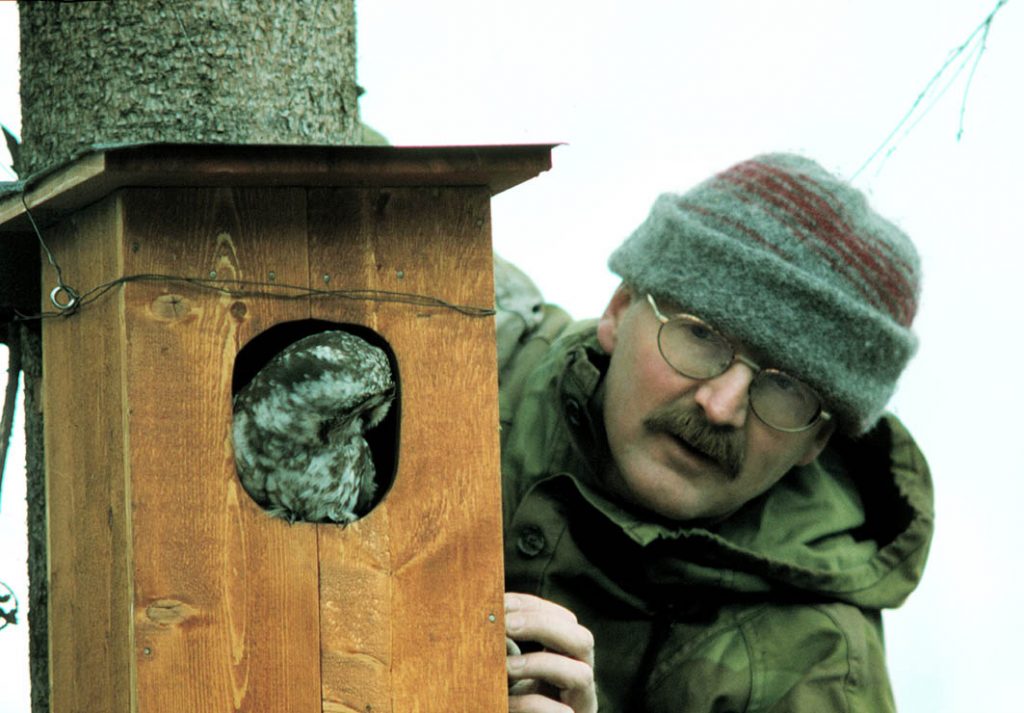
Solheim was born in Hamar in 1956, and his path into owl science began early and almost by chance. At the age of ten, collecting feathers opened the door to a deeper fascination with birds. At twelve, he saw a Pygmy Owl outside his classroom window and, in his own memorable words, was “lost to the world of owls” from that point on. His childhood was shaped by curiosity, by books on African wildlife, and by local bird people who taught younger naturalists how to carve nest boxes from Spruce logs. Over the years, he has gone on to encounter all ten owl species that breed regularly in Norway, as well as other owl species in Africa, Asia, and the Americas. Jane Goodall’s book In the Shadow of Man was probably one of the most influential books he read as a teenager.
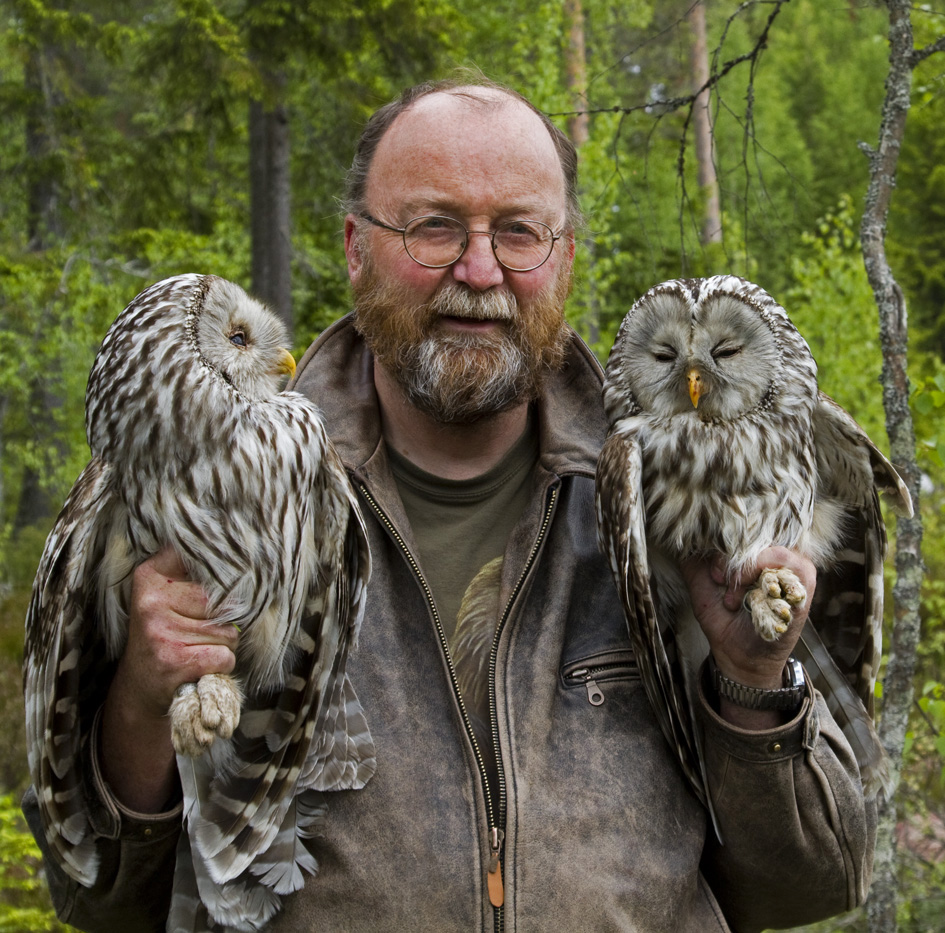
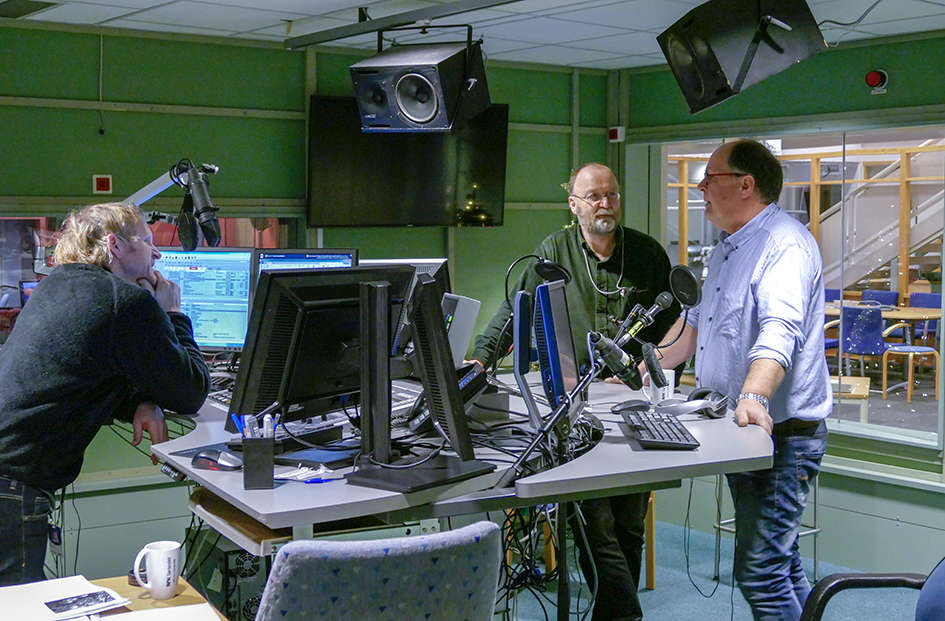
That early wonder became a lifetime of disciplined work. Solheim studied zoology at the University of Oslo in 1984, later worked as a book editor, produced 125 nature-related radio programmes for Norwegian Broadcasting (NRK), and served from 1995 to 2024 as Senior Curator of Zoology at the Natural History Museum and Botanical Garden in Kristiansand. His career has always balanced museum work with public communication.
The scientific core of his work is broad, but several threads stand out. Solheim’s owl research spans Pygmy, Boreal, Ural, Great Grey, Tawny, Eagle, and Snowy Owls, with long-term work on breeding, age determination, nest boxes, movement, and satellite tracking. He has been credited with pioneering the idea that individual owls can be recognised by unique wing markings, allowing researchers and photographers to identify birds without capturing them. He has also been recognised for his work with Great Grey Owl telemetry. He is well known internationally partly because of his strong collaboration with others.
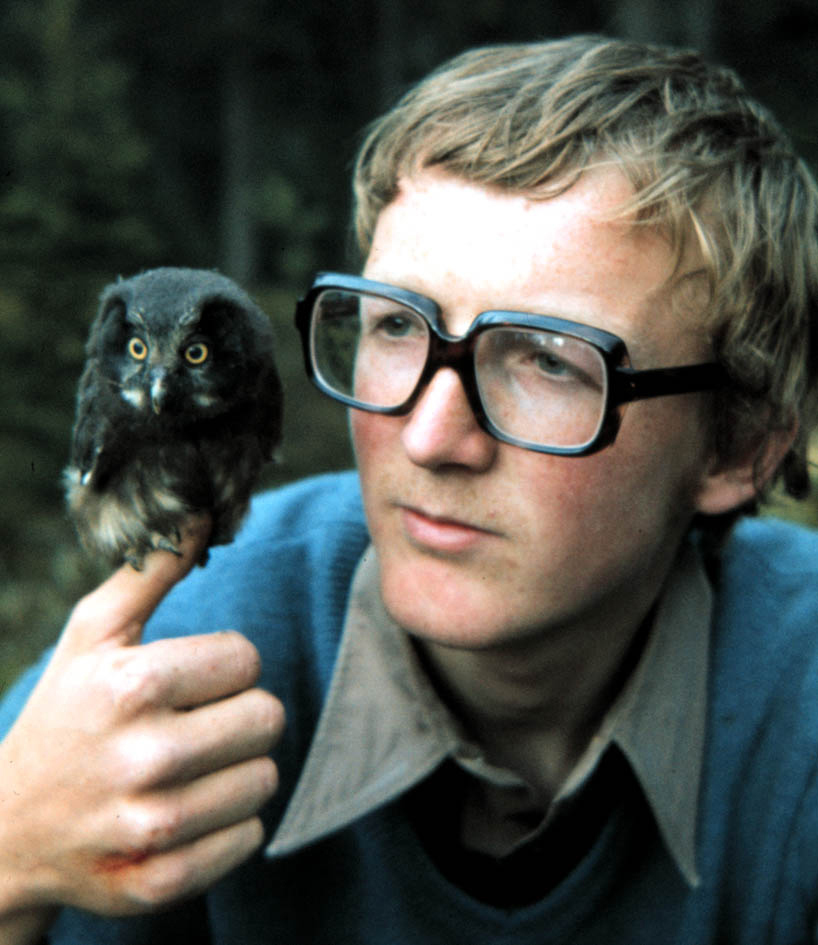
The International Snowy Owl Working Group was started in 2007 to collect and share knowledge on Snowy Owl biology, and Solheim has been described as a founding and active member. In 2024, he was among the co-authors of a major global Snowy Owl assessment that concluded that a worldwide population of 14,000–28,000 breeding adults is plausible and that the species should remain categorised as Vulnerable because monitored Arctic breeding populations appear to have declined by more than 30 per cent over three generations.
Yet it would be wrong to describe Solheim as only a researcher. One reason he is so admired is that he keeps pushing knowledge outward. BirdLife Norway names him as editor of Fuglevennen, and its advice service shows just how much patient public work he has done. As part of the Bird Friends project, a website was started in 2005 where the public could ask questions about birds. Since then, more than 53,000 questions have been answered. He has answered almost 48,000 of them, making this public service one of his most important contributions to bird awareness and education.
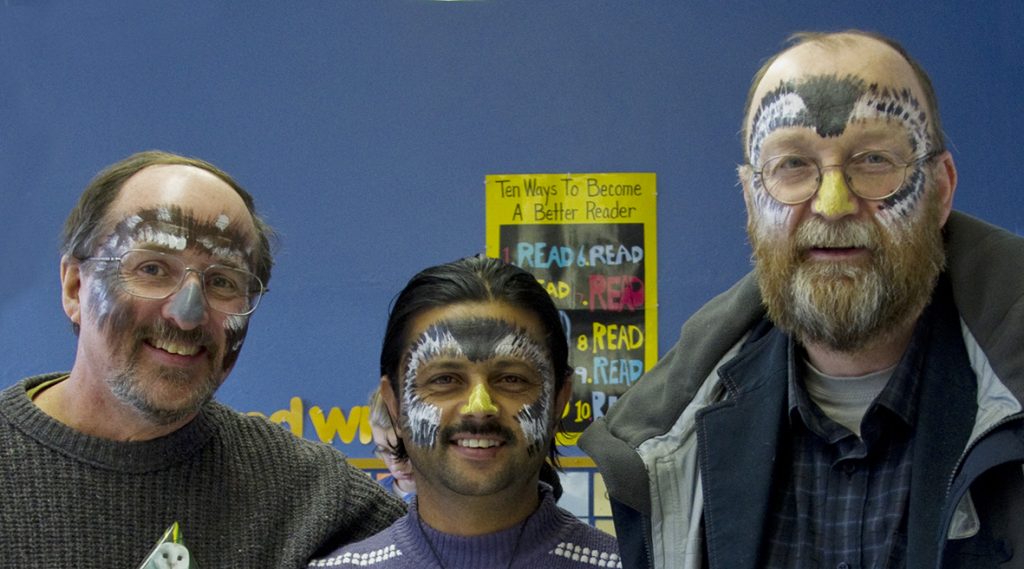
His work includes more than 800 articles, 125 radio programmes, and 370 lectures. Together, these show a simple and powerful picture: he is not a guarded expert, but a generous one. This dedication was also recognised when Roar Solheim received the Champion of Owls Award from the International Owl Center, USA for his outstanding contribution to owl research, education, and public awareness.
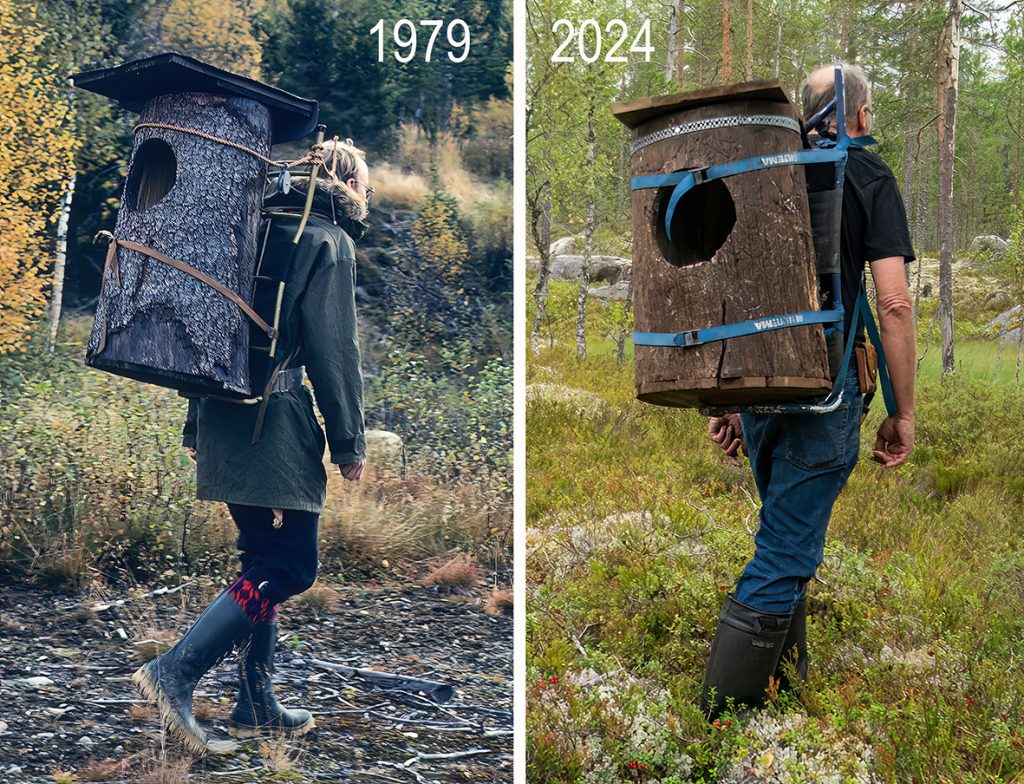
There is also a very practical tenderness to his work. Several owl rescue stories stand out. The most moving is the female Snowy Owl later named Hedwig, which he found blinded by blood after blackfly attacks. He cleaned the blood from her sealed eyelids and, after two days, released her with a satellite transmitter. He also helped a Great Grey Owl that had lost eggs from a nest-box roof by creating a replacement nest, and saved Tawny Owl chicks after their nest tree was felled by re-erecting the remaining hollow and monitoring the female’s return with trail cameras. These stories matter because they show what kind of scientist he is. His work is rigorous, but it is never detached from the lives of the birds themselves. The International Owl Center has also hosted a talk by Solheim titled Hedwig: the Snowy Owl that Lived, and the centre shares a basic Great Gray Owl nest-platform design by Roar Solheim on its educational pages.
People who know him best describe the same rare mix of skill, imagination, and warmth. Karla Bloem from the International Owl Center said: “Roar Solheim is passionate about owls and very ingenious. His owl taxidermy skills are second to none and his research is very clever. He figured out that the patterns on the wings of owls in flight can help identify individual birds from year to year, he devised an experiment to find out how far away Snowy Owls could see a moving lemming, and much more. His owl calls are amazing, and he is always traveling to conferences and to meet other owl researchers to share information. His enthusiasm is infectious and he freely shares his knowledge with anyone who wants to learn. He is a giant in the world of owls.”
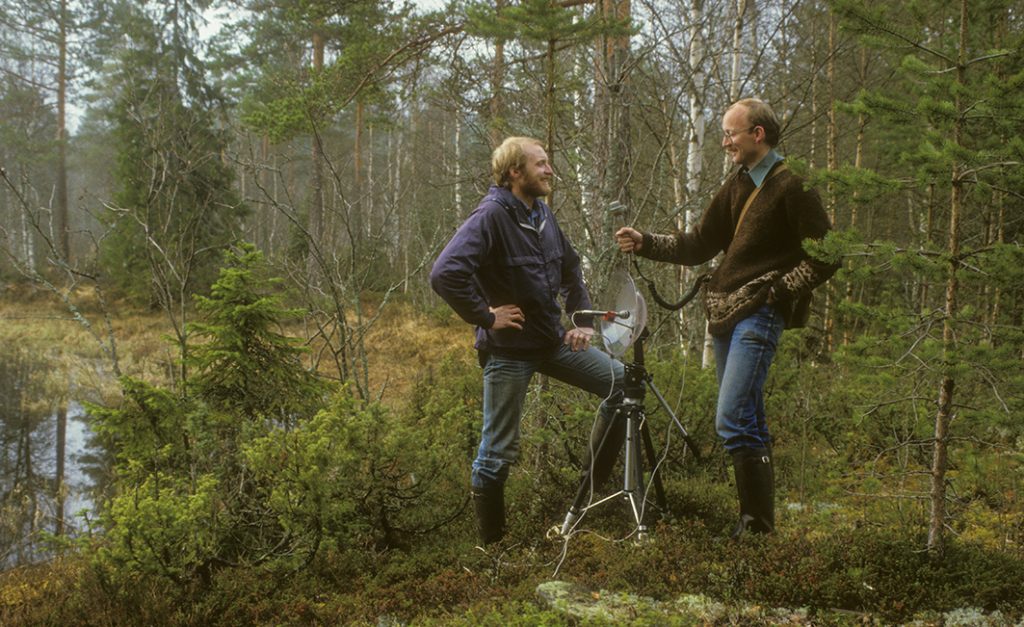
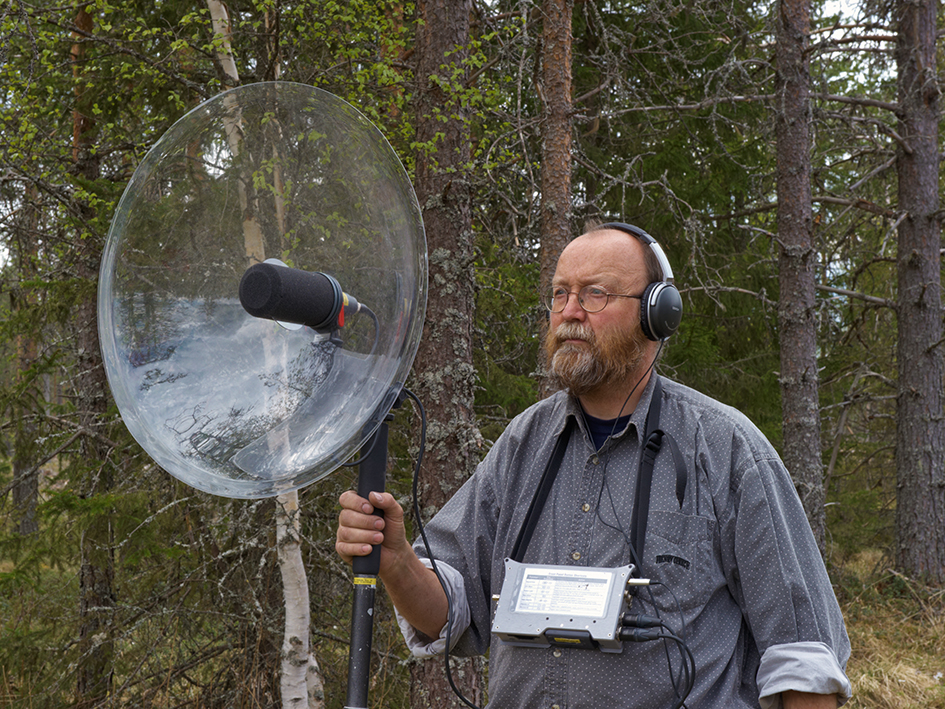
Mr Raju Acharya from Friends of Nature, Nepal, said: “He is very good in mimicry, which is very good in communication with others. His tremendous knowledge of owls is one of the great assets not only for Norway, but globally as well.” Those tributes ring true. Solheim is repeatedly praised for his travelling taxidermy exhibitions, his clever research, and his remarkable repertoire of owl and other animal sounds, and he remains an active public speaker.
One final detail makes his story even more interesting. When he wants to do something completely different from biology, he restores old Märklin model trains and collects airline sick bags. It is a funny detail, but also a meaningful one. The best naturalists are rarely curious about only one thing, and Roar Solheim clearly still has that wide curiosity.