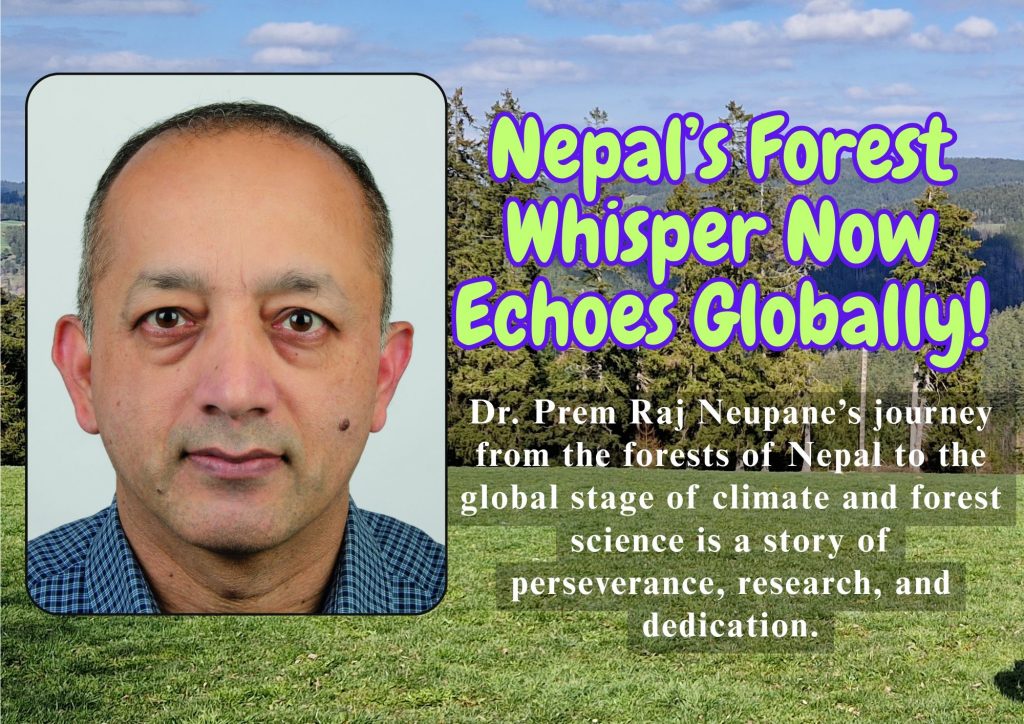
At dawn in a forest, small signs tell deeper stories. A young seedling pushing through the soil, a shift in rainfall patterns, the silent rings inside an old tree or a soil moisture sensor buried in one meter below forest can reveal how nature responds to time and climate. For Dr Prem Raj Neupane, understanding such signals has been a lifelong journey, one that began in the forests of Chitwan, Nepal, and today continues in Western Australia.
Born on 1971 in Devnagar, Chitwan, Dr Neupane grew up in a lower-middle-class family. His father worked for some years as a primary school teacher while his mother managed the household. As the eldest among five siblings, responsibility and perseverance shaped his childhood. His primary education began at Devjyoti Lower Secondary School in Devnagar, now part of Bharatpur Metropolitan City.
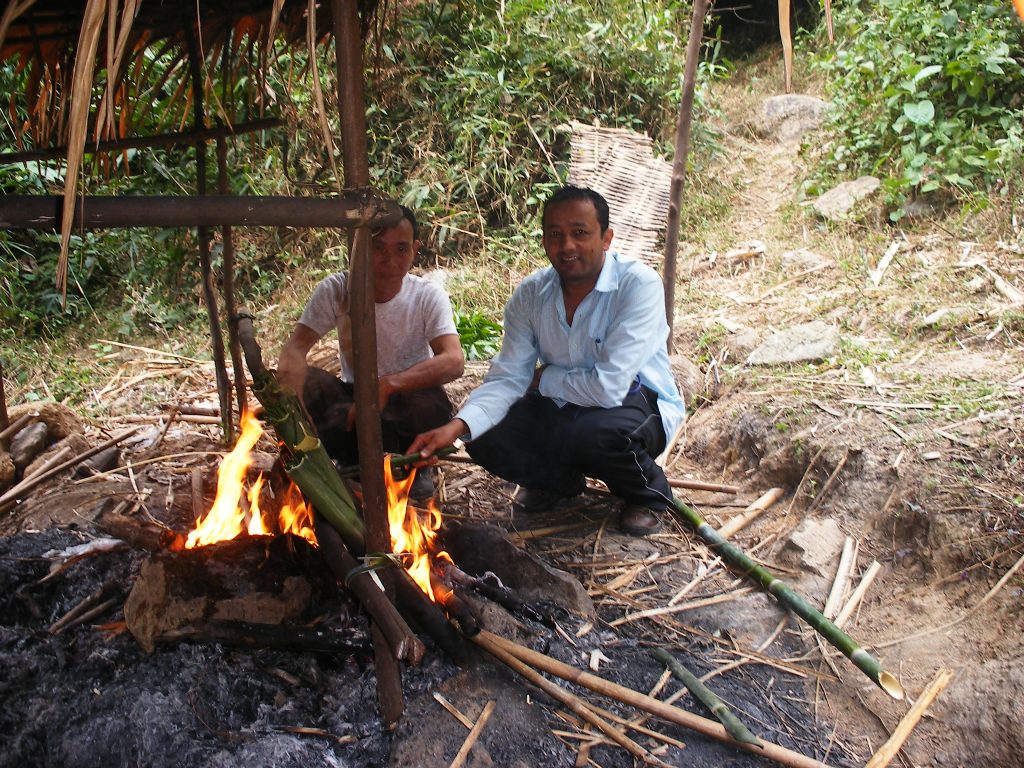
His professional journey with forests started in 1991 when he joined Nepal’s Ministry of Forest and Soil Conservation as a Forest Ranger. For nearly 14 years he worked directly in forests, conducting silvicultural operations, forest inventories, conservation activities, and community forestry programs. These early experiences built a deep connection between his life and the forests of Nepal.
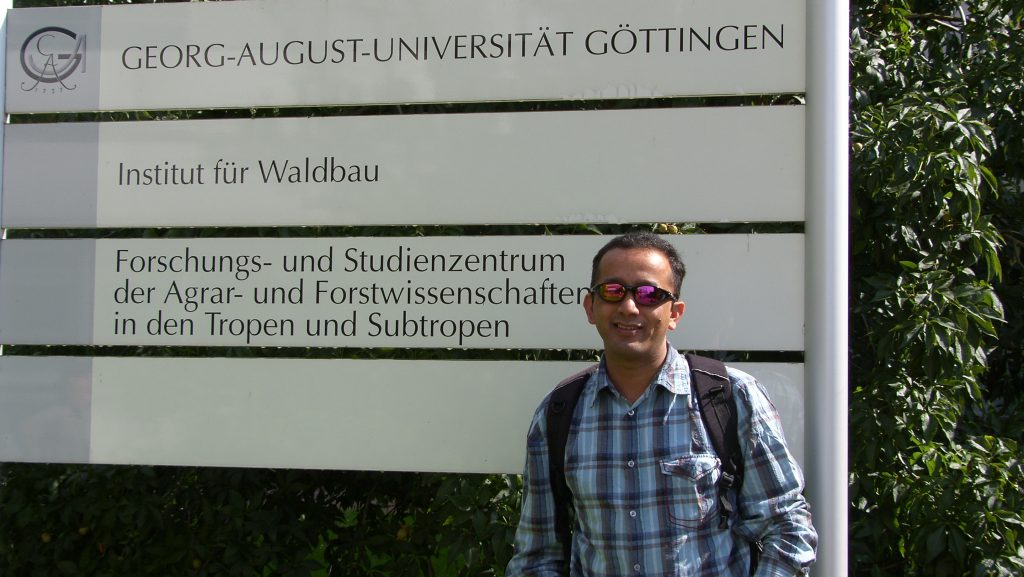
But his ambitions extended beyond field practice. Determined to continue learning, he travelled to Germany on his own to pursue higher education. The early days abroad were difficult. Without financial security, he worked in restaurants, often washing large piles of dishes for long hours to support himself. Those struggles reminded him of the hardships of his childhood in Nepal. Yet they also strengthened his determination to continue.
Eventually his perseverance paid off. He received international scholarships and pursued postgraduate studies in Europe, earning advanced degrees in environmental and tropical forestry in Germany and the United Kingdom. His academic journey culminated in a PhD in Natural Resource Management from the University of Hamburg in 2015, focusing on forest governance, REDD+, and climate-related forest management systems.
A turning point in his professional life came in 2009 when he joined the Johann Heinrich von Thünen Institute in Germany, a leading research institution under the German Federal Ministry of Food and Agriculture. The position opened opportunities for international research on sustainable forest management, forest carbon, and global climate policy.
His career later expanded further at the University of Hamburg, where he served as a Senior Researcher from 2019 to 2025. There he taught postgraduate forestry courses, supervised research students, and collaborated with international organizations such as the FAO, the World Bank, the European Forest Institute, and GIZ on projects related to forest governance, biodiversity monitoring, and climate change.
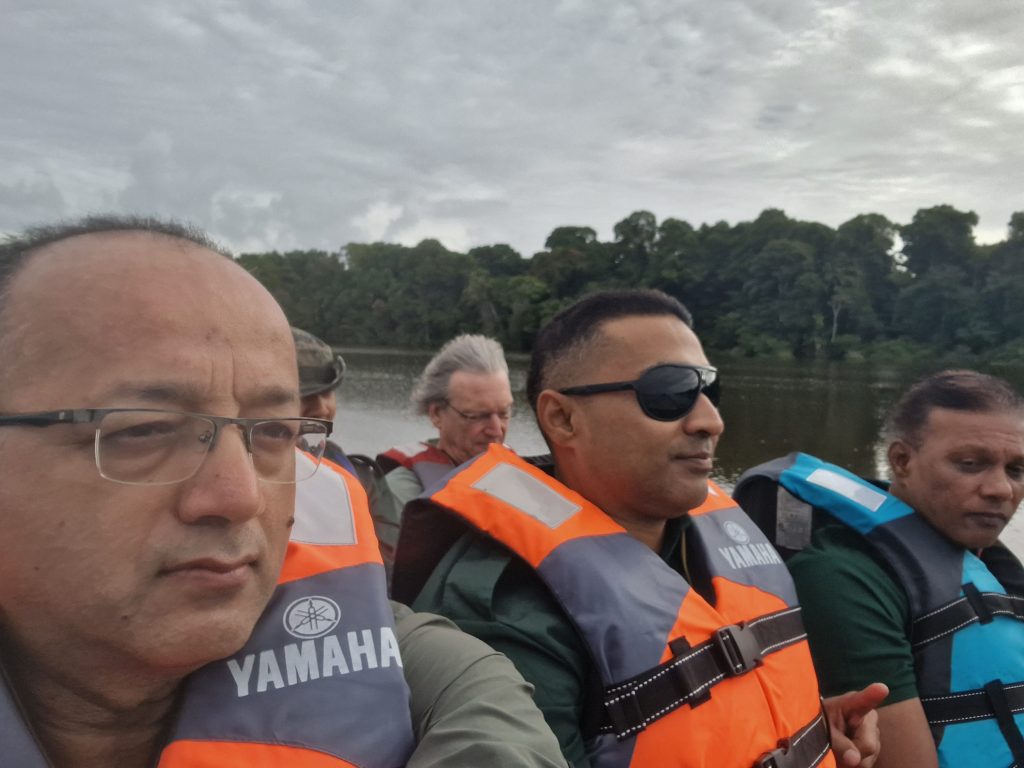
Today, Dr Neupane works in Australia as a Forest Practice Officer (Silviculture) with the Department of Biodiversity, Conservation and Attractions in Western Australia. His work focuses on ecological thinning, biodiversity conservation, and research on forest ecosystems and soil water processes.
Across more than three decades in forestry, he has built an impressive research record. His work includes more than 30 peer-reviewed scientific journal articles, five book chapters, and one edited scientific book on sustainable tropical forest management.
Equally important is his role as a mentor. Over the years he has helped guide seven PhD researchers, twelve master’s students, and six undergraduate theses across universities in Germany, Nepal, and other countries.
Despite living abroad, Dr Neupane has remained actively connected with Nepal. He regularly supports and advises research and forestry initiatives related to Nepal, sharing knowledge and experience that can strengthen sustainable forest management and climate resilience in the country. He has been continuously engaged in collaborative research with the Ministry of Forests and Environment, Nepal, and supports the Institute of Forestry, Nepal, through guest lectures as much as his time and resources allow.
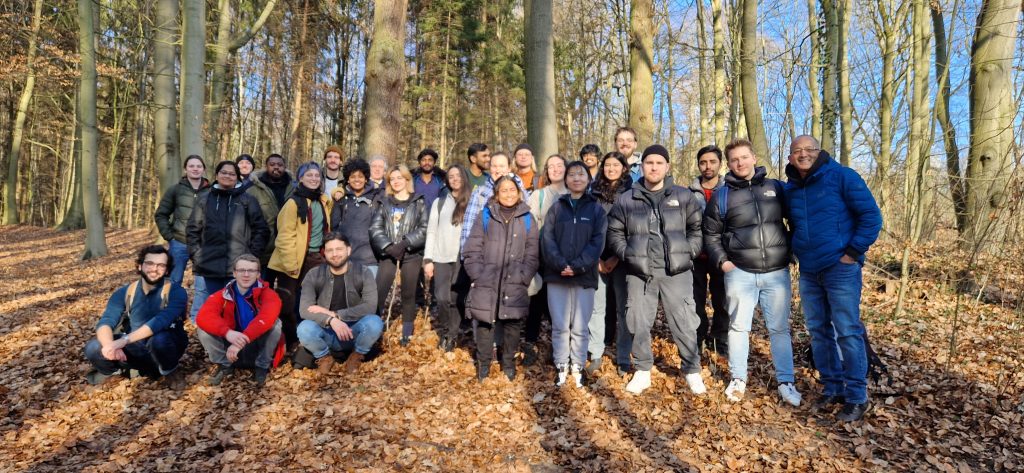
Colleagues often describe him as a person with remarkable intellectual ability. Those who know him closely say he has an extraordinary memory often able to remember the contents of a book after reading it only once. This ability has helped him process complex scientific ideas quickly and apply them in research and policy discussions.
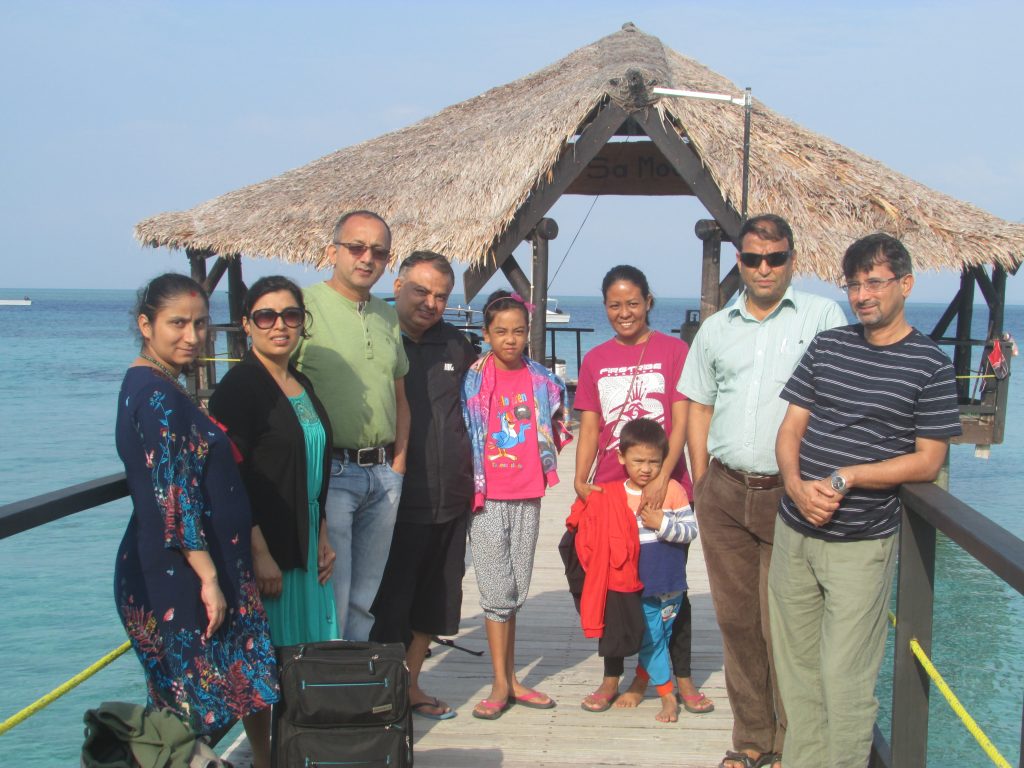
His life has not been without challenges. Even periods of health stress did not stop him from continuing his work, research, and mentoring activities. For him, persistence and discipline remain essential parts of personal and professional growth. His research and professional work have taken him to more than a dozen countries across Asia, Europe, Australia, other Pacific Islands, and the Americas, contributing to global initiatives on forest management and climate change
Dr Neupane has contributed to global forest policy and climate initiatives. His work on REDD+, forest monitoring systems, and forest ecosystem carbon accounting has helped improve how countries measure and report forest-related climate actions. By linking field research with policy needs, he has supported efforts to strengthen sustainable forest management in different parts of the world.
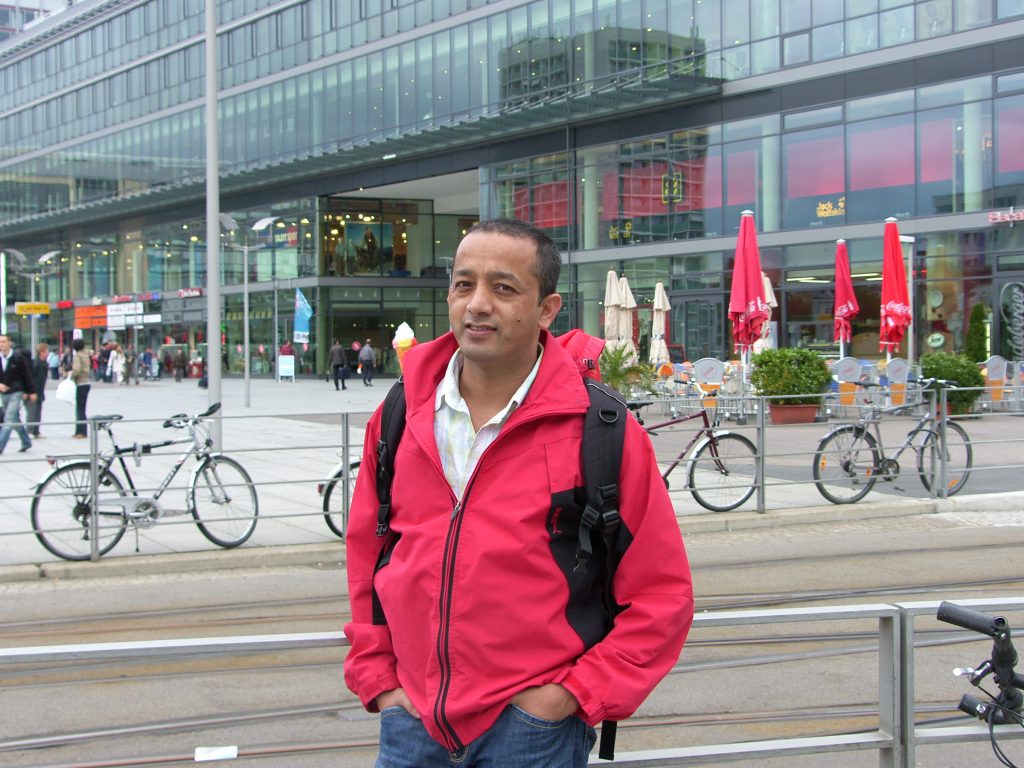
Conservation professional Raju Acharya, who has closely followed his career, believes his journey is inspiring for young people. “I am impressed by his rolling career, how a simple village boy from a remote area reached the place where many forestry professionals dream to reach. He is a role model for the younger generation who want to support their own country even while living far away,” Acharya said.
Outside his professional work, Dr Neupane enjoys listening to music, reading, and exploring forests in different parts of the world. In recent years he has also been studying Buddhist philosophy, reflecting his growing interest in understanding the relationship between nature, society, and human values. Alongside his scientific interests, he is also known among friends and colleagues for having a strong understanding of Nepali politics and social issues, often engaging in thoughtful discussions about the country’s future.
His wife, Dr Archana Gauli, is a scientist specializing in quantitative genetics, and their two daughters currently live in Australia.
From working as, a forest ranger in Chitwan to contributing to international forestry research and now managing forests in Australia, Dr Prem Raj Neupane’s journey is a story of perseverance, learning, and dedication. It shows how someone from a small town can reach the global stage while still remaining deeply connected to his roots and committed to the forests that shaped his life.
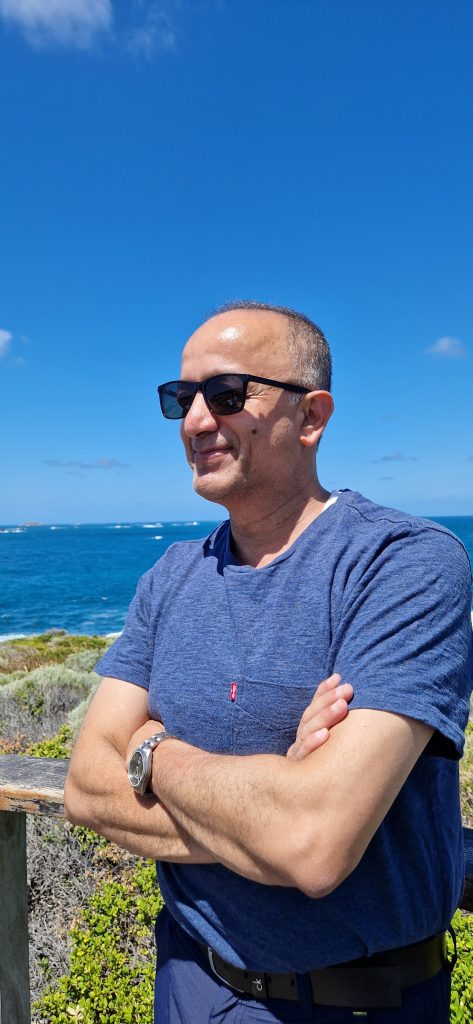
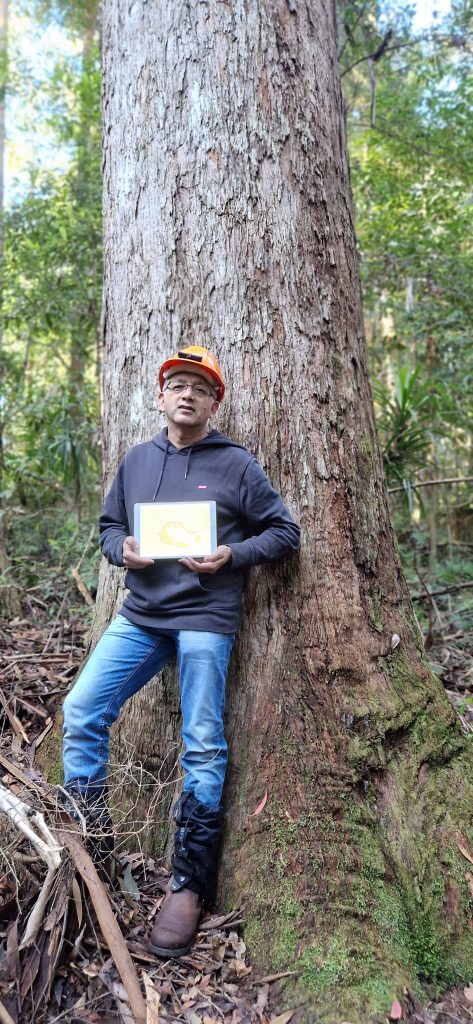
Visiting a remnant of Australian rainforest, Coffs Harbour, NSW, Australia (right)